
The Truth About Tea Bags: Are They Safe or Harmful?
Tea bags offer unparalleled convenience for tea lovers, but this convenience comes with questions. Are they safe for our health? What impact do they have on the environment? This post dives into the common concerns surrounding tea bags, from the materials they're made of to their effects on your health.
What Are Tea Bags Made Of? The Plastic Problem
A surprising number of tea bags contain plastics. Many paper tea bags are treated with epichlorohydrin, a compound that helps prevent them from tearing but can be a potential carcinogen. More concerning are the "silken" or pyramid-shaped tea bags, which are often made from plastics like nylon or polyethylene terephthalate (PET). When steeped in hot water, these bags can release billions of microplastic and nanoplastic particles into your cup.
While the long-term health effects of ingesting microplastics are still being studied, it's a growing area of concern for health-conscious consumers.
Are Tea Bags Harmful to Your Health?
The primary health concern with tea bags is the potential ingestion of microplastics. Some studies suggest these particles could accumulate in the body, although more research is needed to understand the full impact. For those looking to minimize exposure, choosing plastic-free tea bags or switching to loose-leaf tea is the safest bet.
Beyond plastics, some tea bags can be bleached with chlorine, which can leave behind trace amounts of dioxin. While the levels are generally low, it's another factor to consider for those seeking the purest tea experience.
Biodegradability and Environmental Impact
The plastic in many tea bags also means they are not fully biodegradable. When you compost these tea bags, the plastic components do not break down, contributing to plastic pollution in the soil. Even bags that are "biodegradable" may require industrial composting facilities to break down properly, which aren't accessible to everyone.
Choosing tea bags made from natural, unbleached fibers like paper, cornstarch (PLA), or cotton ensures that your tea habit is as eco-friendly as possible.
What About the Tea Inside?
Tea bags often contain "fannings" or "dust"—smaller pieces of tea leaves left over from the production of higher-grade loose-leaf tea. While perfectly fine to drink, these smaller particles can release more tannins when steeped, sometimes resulting in a more bitter or astringent flavor compared to whole-leaf tea.
The Verdict: Making a Safer Choice
So, are tea bags bad for you? Not necessarily, but it pays to be a discerning consumer. Here's how to make a healthier, more environmentally-friendly choice:
- Opt for Plastic-Free Tea Bags: Look for brands that explicitly state their bags are made from natural, unbleached materials like paper, cotton, or cornstarch (PLA).
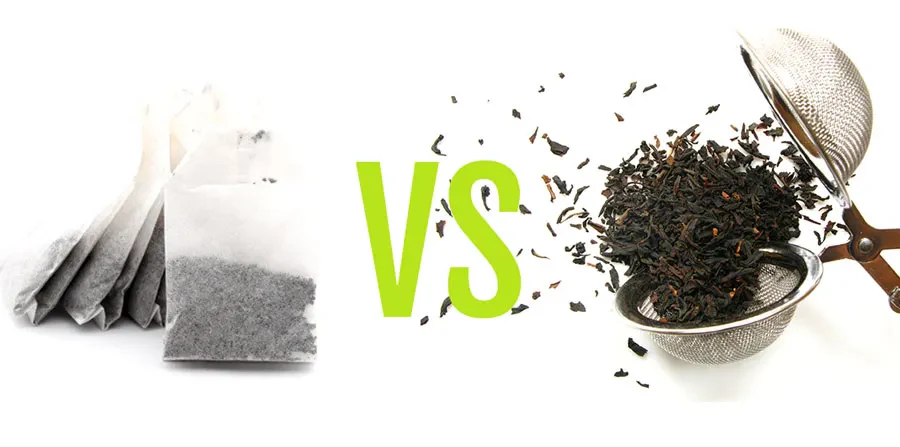
- Consider Loose-Leaf Tea: The surest way to avoid plastics and enjoy the full flavor profile of high-quality tea is to use loose-leaf tea with a reusable infuser.
- Check for Bleaching: Choose tea bags that are unbleached to avoid potential chemical residues.
Ultimately, being mindful of what's in your tea bag can lead to a healthier and more sustainable tea-drinking ritual.
Tags:
Recent Posts